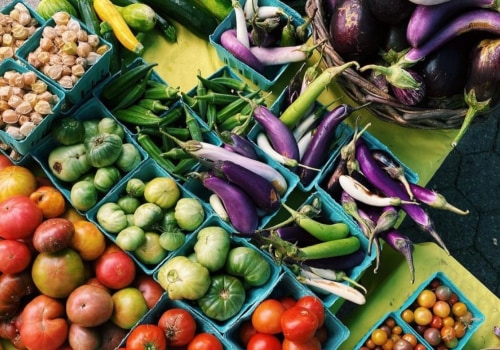
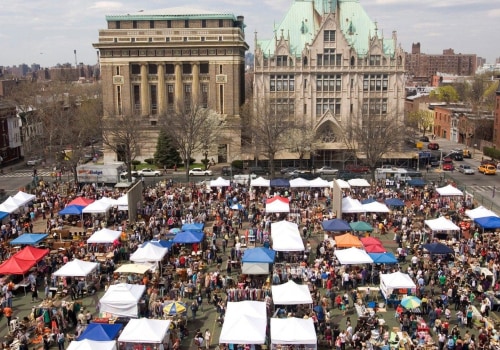
When discussions about community health in Brooklyn, New York arise, topics such as hospitals, clinics, fitness centers, and public health initiatives often dominate the conversation. However, one factor that receives far less attention is market accessibility. The ability of residents to conveniently reach grocery stores, produce markets, and food vendors plays a significant role in shaping overall health outcomes within neighborhoods. In a borough as diverse and densely populated as Brooklyn, access to fresh food can vary considerably from one community to another. While some residents live within walking distance of multiple supermarkets and specialty markets, others may face transportation barriers, limited store options, or higher prices for nutritious foods. These seemingly small differences can influence daily eating habits, nutritional intake, and long-term wellness. The availability of fresh fruits, vegetables, lean proteins, and culturally relevant food options often determines whether families can maintain balanced diets without excessive effort or expense.
How Neighborhood Markets Influence Lifestyle Choices
Market accessibility extends beyond simply having a nearby store. It also involves factors such as affordability, operating hours, product variety, and pedestrian-friendly infrastructure. Residents who can easily access quality food markets are often more likely to prepare meals at home and consume healthier ingredients. In contrast, neighborhoods with fewer food options may see greater dependence on convenience stores, fast-food establishments, or highly processed products. Over time, these patterns can contribute to health concerns such as obesity, diabetes, and cardiovascular disease. The impact becomes even more significant for seniors, individuals with mobility limitations, and families without reliable transportation. When healthy choices require lengthy travel or additional expenses, convenience often dictates purchasing decisions. This demonstrates how urban planning, transportation systems, and commercial development can indirectly shape public health outcomes in ways that are rarely acknowledged.
The Role of Community Infrastructure
Brooklyn's evolving neighborhoods continue to highlight the importance of integrating food accessibility into broader community development efforts. Farmers markets, local produce stands, and community-supported agriculture programs have become valuable resources for many residents seeking healthier options. These initiatives not only improve access to fresh foods but also foster stronger neighborhood connections and support local economies. At the same time, public transportation routes, walkable streets, and safe pedestrian environments contribute to making these resources more accessible. Community leaders and planners increasingly recognize that health is influenced not only by medical services but also by the environments in which people live, shop, and socialize. The presence of healthcare providers such as LocalMD Sunset Park further complements these efforts by supporting preventive care and encouraging healthier lifestyles within the community.
Looking Beyond Traditional Health Metrics
The relationship between market accessibility and community health demonstrates that wellness is influenced by a wide range of interconnected factors. While medical care remains essential, everyday access to nutritious food can have an equally meaningful impact on quality of life. As Brooklyn continues to grow and change, understanding these less-discussed influences can help policymakers, community organizations, and residents work together toward healthier neighborhoods. By considering food accessibility as part of the broader public health conversation, communities can address health challenges proactively and create environments that support long-term well-being for people of all ages and backgrounds.